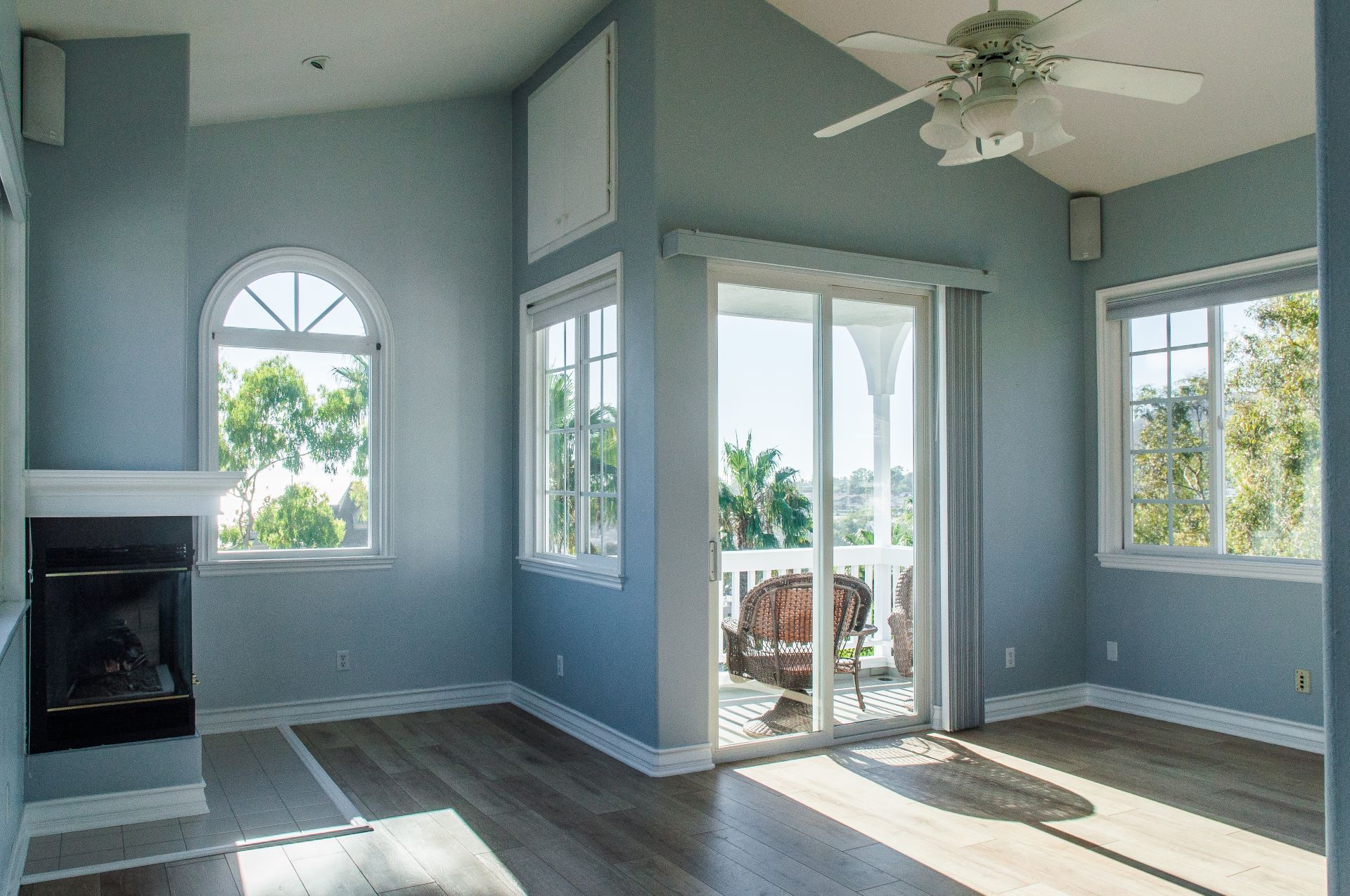
Window and Door Maintenance in South African Builds
Where Buildings Breathe and Break
Windows and doors are more than architectural features. They are the building’s negotiation points with the outside world. Every gust of wind, drop of rain, and degree of temperature change presses against them first. In South Africa, where coastal humidity, Highveld thunderstorms, Karoo dust, and Cape winter rains all coexist within one country, these openings take a constant beating.
From a maintenance perspective, they are the most vulnerable parts of any structure. Walls can absorb stress, roofs can shed water, but openings must remain functional while resisting the elements. That balancing act makes them the most frequent sources of failure, inefficiency, and long-term damage.
The core issues always return to three factors: sealing, alignment, and material wear. When one fails, the others usually follow. A slightly misaligned door breaks its seal. A worn seal lets in moisture. Moisture accelerates material degradation. Before long, a small maintenance oversight turns into structural decay, energy loss, or even safety risks.
Understanding how these elements interact within the South African context is the difference between reactive repairs and proactive asset management.
The South African Climate Factor
Maintenance strategies for windows and doors cannot be generic. South Africa’s climate diversity demands region-specific thinking.
In coastal regions like Durban and Cape Town, salt-laden air aggressively corrodes metal fittings and frames. Aluminium, often chosen for its corrosion resistance, still suffers surface pitting if not properly coated or maintained. Steel components such as hinges and locks degrade faster without regular lubrication and protective finishes.
In inland areas such as Johannesburg and Pretoria, intense UV exposure becomes the primary adversary. Sunlight degrades rubber seals, fades finishes, and causes expansion and contraction cycles that loosen fittings over time. Summer thunderstorms introduce sudden water ingress risks, especially where sealing has weakened.
The Karoo and Northern Cape introduce a different challenge entirely. Fine dust infiltrates gaps, abrades moving parts, and compromises sealing systems. Over time, this dust acts like sandpaper inside tracks and hinges, accelerating wear.
Then there is the Western Cape’s winter rainfall pattern. Persistent rain tests drainage channels, flashing systems, and seal integrity over extended periods. Even minor sealing defects can lead to sustained water ingress, resulting in mould growth and internal damage.
Maintenance in South Africa is not just about fixing visible problems. It is about anticipating how regional conditions stress specific components.
Sealing: The Invisible Shield
Sealing is the first line of defence. When it fails, the building envelope is compromised almost immediately.
Effective sealing prevents water ingress, air leakage, dust penetration, and even noise intrusion. In South African buildings, common sealing systems include silicone sealants, rubber gaskets, weatherstripping, and foam fillers. Each has a limited lifespan, especially under UV exposure and temperature fluctuations.
One of the most common issues is sealant degradation. Silicone sealants, widely used around window frames, gradually lose elasticity. In high UV areas, they can crack, shrink, or detach from substrates. Once this happens, water begins to seep into micro-gaps, often unnoticed until internal damage appears.
Rubber gaskets, particularly in aluminium window systems, face similar challenges. They harden over time, losing their ability to compress and form tight seals. In coastal areas, salt accelerates this process, while in dry regions, UV radiation is the primary cause.
Proper sealing maintenance involves regular inspection for cracks, gaps, and detachment. Reapplication should not be delayed once deterioration is visible. In many South African buildings, sealant failure is only addressed after leaks occur, by which time damage has already spread to internal finishes and structural elements.
Drainage design also plays a critical role. Many modern window systems rely on weep holes to channel water away. These small openings can easily become blocked by dust, paint, or debris. When that happens, water accumulates within the frame and eventually finds its way indoors.
A proactive approach includes cleaning drainage channels, checking seal continuity, and ensuring compatibility between sealants and frame materials. Not all sealants adhere equally to aluminium, timber, or uPVC, and incorrect product selection is a common failure point.
Alignment: Precision Under Pressure
Alignment is often overlooked because its effects are gradual rather than immediate. Yet it is central to the performance of both windows and doors.
A properly aligned unit distributes loads evenly across hinges, locks, and frames. It closes flush, seals effectively, and operates smoothly. Misalignment introduces stress points that lead to premature wear and functional issues.
In South African construction, several factors contribute to misalignment. Building settlement is one. Even minor foundation movement can distort frames over time. This is particularly common in areas with expansive clay soils, where moisture variation causes ground movement.
Thermal expansion is another key factor. Aluminium frames, widely used in modern buildings, expand and contract significantly with temperature changes. Without adequate allowance in installation, this movement can lead to warping or frame distortion.
Door alignment issues are especially noticeable. A door that scrapes the floor, sticks when closing, or fails to latch properly is often suffering from hinge wear or frame movement. Over time, the problem worsens, leading to gaps that compromise sealing and security.
Windows present subtler symptoms. Sliding windows may become difficult to operate, while casement windows may not close tightly. These issues are often dismissed as minor inconveniences, but they indicate underlying alignment problems that will eventually affect sealing performance.
Maintenance requires periodic adjustment of hinges, tracks, and locking mechanisms. In commercial buildings, where usage frequency is high, alignment checks should be part of routine maintenance schedules. Ignoring these adjustments leads to compounded wear, increasing repair costs over time.
Material Wear: The Slow Degradation
Every material used in windows and doors degrades, but the rate and nature of wear vary significantly.
Timber, still common in older South African homes, is particularly vulnerable to moisture. Without proper sealing and regular treatment, it absorbs water, leading to swelling, warping, and eventual rot. In coastal and high-rainfall areas, this process accelerates dramatically.
Aluminium offers durability but is not maintenance-free. Powder-coated finishes can fade or chalk under UV exposure. Scratches expose the underlying metal, making it susceptible to corrosion, especially near the coast.
uPVC has gained popularity for its insulation properties and resistance to corrosion. However, prolonged UV exposure can cause discolouration and brittleness if the material is not UV-stabilised. Lower-quality installations often show these issues within a few years.
Steel components, including hinges, locks, and fasteners, are among the most failure-prone elements. Corrosion weakens structural integrity and affects operation. Regular lubrication and protective coatings are essential, particularly in humid or coastal environments.
Glass itself is durable but not immune to issues. Seal failure in double-glazed units leads to condensation between panes, reducing insulation performance. In areas with large temperature swings, thermal stress can also cause cracking.
Understanding material-specific vulnerabilities allows for targeted maintenance. It is not enough to treat all windows and doors the same. Each material requires its own inspection and care routine.
Water Ingress: The Most Costly Consequence
Water is the most destructive force acting on windows and doors. Once it penetrates the building envelope, it creates a chain reaction of damage.
Initial signs are often subtle. Slight staining around frames, peeling paint, or minor mould growth may appear insignificant. However, these indicate that water is already bypassing the sealing system.
Over time, water infiltration affects insulation, structural components, and interior finishes. Timber elements rot, metal components corrode, and plaster deteriorates. In severe cases, prolonged moisture exposure can compromise structural integrity.
In South Africa, heavy summer storms and winter rains create ideal conditions for water ingress. Poor installation practices, such as inadequate flashing or incorrect sealing, exacerbate the problem.
Maintenance must focus on early detection. Regular inspection during and after rainy periods is essential. Any signs of moisture should be investigated immediately, rather than treated cosmetically.
Addressing water ingress is rarely a quick fix. It often requires identifying the root cause, which may involve removing finishes, resealing joints, or even reinstalling frames. Preventative maintenance is significantly more cost-effective than reactive repairs.
Dust and Air Leakage: The Hidden Efficiency Drain
While water damage is dramatic, air leakage is a quieter but equally important issue. Poor sealing allows conditioned air to escape, increasing energy consumption and reducing indoor comfort.
In South Africa’s drier regions, dust infiltration is a major concern. Fine particles enter through gaps in seals, accumulating inside tracks and living spaces. This not only affects cleanliness but also contributes to wear in moving parts.
Air leakage is particularly relevant in buildings with HVAC systems. Inefficient sealing forces these systems to work harder, increasing operational costs. In residential settings, it leads to inconsistent indoor temperatures and reduced comfort.
Weatherstripping and gasket maintenance are key to controlling air leakage. These components should be inspected regularly and replaced when worn. Proper alignment also plays a role, as even the best seals cannot function effectively if the frame is distorted.
Hardware Maintenance: Small Components, Big Impact
Hinges, locks, handles, and tracks are often the first components to fail. Despite their size, they play a critical role in overall performance.
In South African conditions, dust and moisture are the primary threats. Tracks become clogged, making sliding windows difficult to operate. Hinges corrode, leading to stiffness or failure. Locks become unreliable, affecting both security and usability.
Regular cleaning and lubrication are essential. Tracks should be kept free of debris, and moving parts should be lubricated with appropriate products. In coastal areas, corrosion-resistant hardware is a worthwhile investment.
Replacement should not be delayed once components show significant wear. Faulty hardware places additional stress on frames and seals, accelerating overall deterioration.
Installation Quality: The Root of Long-Term Performance
Many maintenance issues can be traced back to poor installation. Even the highest-quality materials will fail if not installed correctly.
Common problems include inadequate sealing, improper alignment, and insufficient structural support. These issues may not be immediately visible but will manifest over time.
In South Africa, where cost pressures often lead to shortcuts, installation quality varies widely. Ensuring that qualified professionals handle installation is one of the most effective ways to reduce future maintenance requirements.
Maintenance teams should also be aware of original installation methods. Understanding how a system was installed helps in diagnosing issues and implementing effective repairs.
Maintenance Scheduling: From Reactive to Preventative
Effective maintenance is not about responding to failures. It is about preventing them.
A structured maintenance schedule should include regular inspections, cleaning, and minor adjustments. Frequency depends on environmental conditions and usage levels. Coastal and high-traffic areas require more frequent attention.
Seasonal considerations are important. Pre-summer inspections in inland regions help prepare for storms, while pre-winter checks in the Western Cape ensure readiness for prolonged rainfall.
Documentation is often overlooked but valuable. Keeping records of inspections, repairs, and replacements allows for better planning and budgeting. It also helps identify recurring issues that may indicate deeper problems.
Sustainability and Energy Efficiency
Well-maintained windows and doors contribute significantly to energy efficiency. Proper sealing reduces heat loss in winter and heat gain in summer, lowering energy consumption.
In South Africa, where energy costs and supply challenges are ongoing concerns, this aspect is increasingly important. Buildings that maintain their envelope integrity require less artificial heating and cooling.
Upgrading to more efficient systems, such as double glazing or improved sealing technologies, can further enhance performance. However, even the best systems require ongoing maintenance to deliver their full benefits.
Common Mistakes in South African Maintenance Practices
Several recurring mistakes undermine maintenance efforts.
Delaying minor repairs is one of the most common. Small issues are often ignored until they become major problems, increasing costs and complexity.
Using incorrect materials is another issue. Not all sealants and components are suitable for South African conditions. Choosing products without considering UV exposure, humidity, and temperature variations leads to premature failure.
Overlooking drainage systems is also frequent. Blocked weep holes and channels are a primary cause of water ingress but are rarely included in routine maintenance.
Finally, lack of professional assessment can result in misdiagnosis. What appears to be a sealing issue may actually be caused by alignment or structural movement. Addressing symptoms rather than causes leads to recurring problems.
Future Trends in Window and Door Maintenance
The industry is evolving, with new materials and technologies improving durability and performance.
Advanced sealants with greater UV resistance and flexibility are becoming more common. Smart window systems that monitor performance and detect leaks are also emerging, although adoption in South Africa remains limited.
Sustainability considerations are driving the use of recyclable materials and energy-efficient designs. Maintenance practices will need to adapt to these innovations, requiring updated knowledge and skills.
Digital tools for maintenance management are also gaining traction. These systems allow for better scheduling, tracking, and analysis, improving overall efficiency.
Protecting the Weak Points
Windows and doors will always be the weakest points in a building, but they do not have to be the most problematic. With proper attention to sealing, alignment, and material wear, their vulnerabilities can be effectively managed.
In the South African context, this requires an understanding of local environmental conditions and their impact on building components. It also demands a shift from reactive repairs to proactive maintenance.
The cost of neglect is high, not only in financial terms but also in comfort, efficiency, and structural integrity. By prioritising these critical elements, building owners and maintenance professionals can extend the lifespan of their assets and ensure consistent performance.
Openings may be where buildings are most exposed, but with the right approach, they can also be where resilience is most visible.
Article Classification
Senior Professional
Specialized technical insights from our structural engineering and commercial construction division.