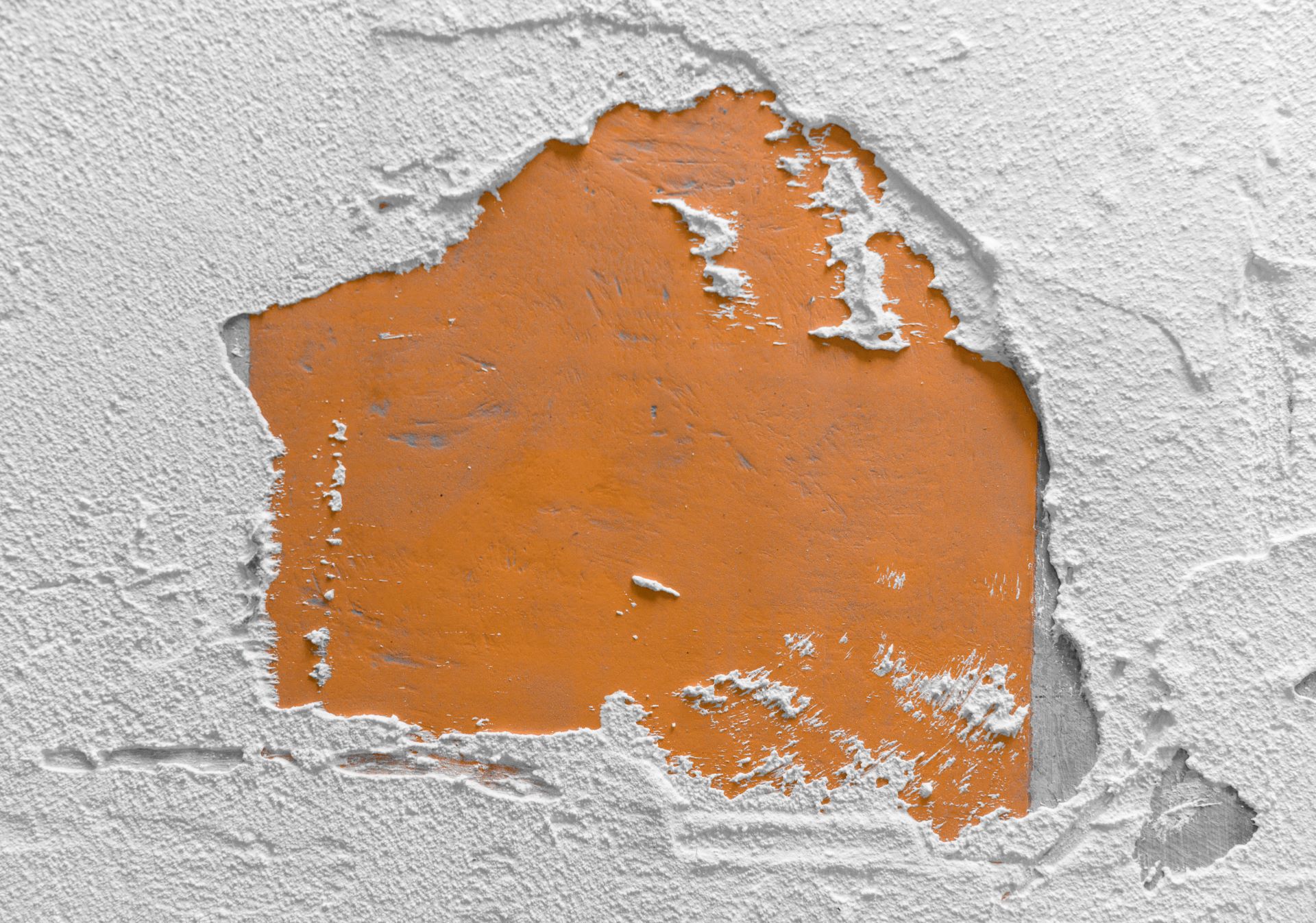
Why Exterior Paint Blisters Form on South African Walls
Understanding Paint Blistering on Exterior Walls
Paint blistering is one of the most frustrating defects a homeowner or building manager can encounter. It appears as raised bubbles or hollow pockets beneath a painted surface, giving the wall a damaged and prematurely aged appearance. In practical terms, blistering means that the bond between the paint film and the underlying surface has failed. The cause is almost never cosmetic alone. Instead, it usually points to moisture movement, contamination, or poor workmanship during the previous painting cycle.
Exterior walls are exposed to constant environmental stress. Sunlight, wind-driven rain, humidity, and temperature shifts all work quietly against the integrity of paint layers. When paint is applied without addressing these factors, the result is often a surface that looks fine for a few months before developing defects.
In South Africa, exterior paint problems are particularly common because many homes experience sharp seasonal transitions. Coastal regions deal with salt-laden air and humidity, while inland areas often face intense heat during summer afternoons followed by cooler evenings. These fluctuations encourage moisture expansion and contraction inside wall materials, which can slowly push paint away from the surface.
Understanding blistering starts with recognising that paint is not merely decorative. Exterior coatings are protective membranes. When that membrane is compromised, the wall beneath becomes vulnerable to weathering, fungal growth, and structural degradation over time.
Moisture as the Primary Enemy of Exterior Paint
If there is a single villain behind most blistering cases, it is moisture. Water trapped inside or behind a paint layer expands when heated by sunlight. As it turns to vapour, pressure builds beneath the paint film. Eventually, the pressure finds the weakest point and pushes the paint outward, forming a blister.
Moisture can enter walls through several pathways. Rain penetration is the most obvious source. Cracked plaster, poorly sealed window frames, and defective roof flashings allow water to seep into masonry. Even if the surface looks dry, the interior wall structure may be storing moisture like a slow sponge releasing water into the coating system.
Rising damp is another concern in older structures. When waterproofing layers near the foundation are compromised, groundwater can travel upward through capillary action. The moisture then becomes trapped beneath exterior paint layers that are not designed to breathe.
Humidity also plays a role, especially in coastal or high-moisture environments. During hot afternoons, trapped humidity inside walls can vaporise and expand. If the paint system is too dense or poorly ventilated, that expanding vapour will create blister pockets.
Contractors sometimes make the mistake of repainting walls that still contain hidden moisture. The fresh paint layer seals the surface, trapping moisture that continues to move internally. Within weeks or months, blistering begins.
The key lesson is simple but often ignored: paint failure is frequently a symptom, not the disease itself.
Poor Surface Preparation Before Painting
Painting is often rushed in maintenance projects, especially when cost and time pressures are high. Surface preparation, however, is the foundation of long-lasting exterior coatings.
Dust, grease, old flaking paint, and biological growth must be removed before new paint is applied. If a painter applies coating over loose material, the paint will only adhere to the unstable layer rather than the actual wall substrate. When temperature changes cause expansion, the weak interface fails and blistering starts.
Washing exterior walls before painting is not just about cleanliness. It removes microscopic contaminants that interfere with adhesion. In coastal parts of South Africa, salt residue is particularly problematic. Salt crystals attract moisture from the air, creating constant dampness beneath paint films.
Sanding is also important when repainting over older surfaces. Glossy or previously sealed surfaces need mechanical abrasion so the new paint can grip the substrate. Without this step, the coating behaves like a sticker placed on a dusty window.
Priming is another neglected stage. A good exterior primer acts as a bonding bridge between wall material and finish coat. It also reduces the amount of paint absorbed by porous plaster, allowing the topcoat to cure evenly.
Skipping preparation steps may save money in the short term, but it almost guarantees maintenance costs later.
Substrate Problems Hidden Beneath the Surface
Sometimes blistering is not caused by paint quality but by the condition of the wall itself.
Plaster that contains excessive sand or poor cement ratios can be highly porous. Such surfaces absorb water during rain events and release it slowly afterwards. When paint is applied over porous plaster without sealing treatment, vapour pressure builds under sunlight exposure.
Cracked plaster is another structural weakness. Even hairline cracks provide channels for water penetration. During heavy rainstorms, water can travel deep into the wall matrix and remain trapped long after the rain stops.
Efflorescence is a common sight on exterior masonry in humid climates. This white, powdery deposit occurs when soluble salts migrate to the surface as water evaporates. Painting over efflorescence is a mistake because the salt layer prevents proper bonding.
Brick walls present their own challenges. Some older brick constructions absorb moisture directly through mortar joints. If repointing is neglected, water ingress continues silently behind the paint layer.
The substrate must be treated as part of the coating system rather than a separate structure.
Environmental Stress Factors in South Africa
Climate conditions influence paint behaviour more than many homeowners realise.
Intense ultraviolet radiation accelerates paint aging. Over time, UV exposure breaks down the chemical bonds within some paint formulations, reducing elasticity. When paint loses flexibility, it becomes more susceptible to cracking and blistering during thermal movement.
High daytime temperatures followed by cooler evenings create thermal cycling stress. Exterior walls expand during heat and contract when temperatures drop. If the paint film cannot accommodate this movement, microvoids form beneath the coating.
Wind-driven rain is another important factor. In coastal cities such as Durban, rain is often pushed horizontally by ocean winds, forcing water into tiny surface imperfections.
Poorly ventilated exterior wall designs can also trap heat and moisture. Buildings with deep recesses, poorly positioned gutters, or blocked drainage channels tend to experience more coating failures.
Maintenance teams should therefore consider local environmental patterns before selecting paint systems.
Diagnosing Blistering Before Repainting
Before picking up a paint roller again, it is essential to diagnose the true cause of blistering.
Start by examining blistered areas closely. If the blister contains water when punctured, moisture pressure is the likely cause. If the blister is dry and powdery inside, adhesion failure or contamination is more probable.
Check for patterns. Blistering concentrated near roofs or window frames usually indicates water entry points. Blisters appearing randomly across large wall sections may suggest trapped moisture within the plaster.
Touch testing is also useful. Press gently around blistered zones. If the surrounding paint feels hollow or sounds empty when tapped lightly, the coating has lost bonding strength.
Timing matters during diagnosis. Inspect walls in the afternoon when temperatures are higher, because vapour pressure inside walls tends to be more active under heat.
Homeowners should resist the temptation to simply sand and repaint visible defects. Without addressing the underlying cause, the problem will return.
Testing Moisture Levels in Exterior Walls
Professional maintenance teams often use moisture meters to measure wall dampness before painting.
If moisture readings are above acceptable thresholds, repainting should be delayed. Applying paint over damp masonry is like wrapping a wet loaf of bread in plastic. The moisture has nowhere to escape.
In older buildings, a simple plastic sheet test can be used. Tape a clear plastic sheet onto the wall surface and leave it for 24 hours. If condensation forms underneath, moisture is still migrating through the wall.
Another practical method is infrared inspection, which helps identify hidden moisture pockets inside plaster layers.
Remember that walls need time to dry after heavy rainfall. Depending on wall thickness and environmental humidity, drying periods can range from a few days to several weeks.
Repairing Blistered Exterior Walls
Repair should always begin by removing damaged paint sections completely. Do not paint over blistered areas hoping the defect will disappear.
Scrape away unstable paint until a solid, sound surface is exposed. Feather the edges of remaining paint so that new coating layers blend smoothly.
If plaster damage is present, repair cracks using appropriate exterior filler compounds. Structural cracks should be evaluated carefully because they may indicate deeper building movement.
After repairs, allow surfaces to dry thoroughly before priming.
Applying a breathable exterior primer is highly recommended in moisture-prone regions. Breathable primers allow internal vapour to escape slowly while still protecting the wall from rain penetration.
Painting should be done during dry weather conditions with moderate temperatures. Extremely hot surfaces can cause paint to dry too quickly, trapping solvents inside the film and creating future blistering risks.
Choosing the Right Exterior Paint System
Not all exterior paints are created equal.
In high-UV environments, elastomeric or high-quality acrylic coatings are often better choices because they maintain flexibility under temperature movement.
Cheaper paint products may appear economical but often contain lower-quality binders that degrade faster under sunlight exposure.
Consult paint manufacturers’ technical specifications rather than relying only on colour or price. The durability of exterior paint depends more on chemistry than aesthetics.
Multiple thin coats are generally better than one thick coat. Thin layers cure more evenly and reduce the risk of vapour entrapment.
Preventing Future Blistering Problems
Prevention starts long before repainting begins.
Ensure that gutters and drainage channels are clean and functioning. Water overflowing from roofs can constantly wet exterior walls.
Seal window frames and roof-wall junctions properly. These junctions are common entry points for rainwater.
Schedule maintenance inspections at least once every two years, even if the paint surface still looks good.
Allow newly plastered walls sufficient curing time before painting. Fresh plaster contains internal moisture that needs to evaporate naturally.
Avoid painting immediately after rainstorms.
Maintenance teams should also educate property owners that exterior paint is a protective system that requires periodic care rather than a permanent solution.
When to Call Professional Contractors
Some situations require professional assessment rather than DIY repair.
If blistering covers large wall areas, structural moisture intrusion may be present. Buildings with repeated paint failure cycles should be inspected for waterproofing defects.
Commercial buildings, multi-storey residential blocks, and heritage structures often require specialised coating solutions.
Professional contractors can perform moisture mapping, substrate testing, and system-level coating design.
Final Thoughts
Paint blistering is rarely just a surface defect. It is a message from the wall telling you that something deeper is wrong.
In South African climates, moisture management is the cornerstone of durable exterior finishes. Before repainting, always diagnose the root cause rather than treating the symptoms.
Good painting is part science, part craftsmanship, and part patience. When walls are prepared properly, moisture is controlled, and the right paint system is chosen, exterior coatings can protect buildings for many years without complaining in bubbly protest.
Article Classification
Senior Professional
Specialized technical insights from our structural engineering and commercial construction division.