Why Crumbling Pavements Signal Bigger Hidden Failures
The Surface Is Never Just the Surface
A crumbling pavement is rarely just a cosmetic issue. In South African cities like Johannesburg, Pretoria, and Durban, cracked paving stones, sunken sidewalks, and broken tar edges often act like warning lights on a dashboard. The real engine trouble is usually hidden underneath.
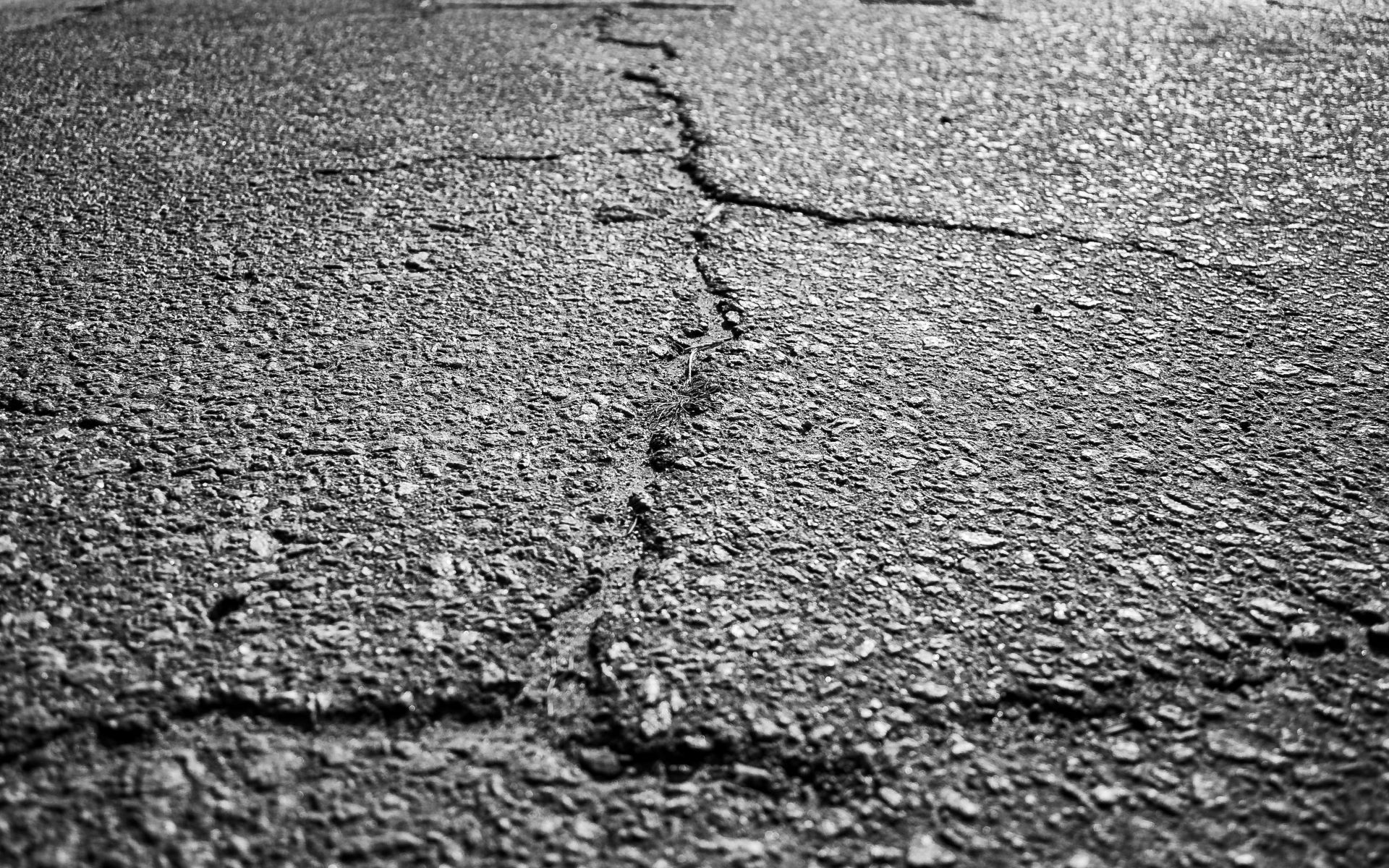
At first glance, it might look like normal wear and tear. Foot traffic, delivery vehicles, and seasonal weather all leave marks. But when paving begins to break apart in patterns, sink in patches, or lift unevenly, it often points to something far more serious below ground level.
Infrastructure does not fail randomly. It fails in layers. The surface is simply the first to show distress, like skin reacting to an infection underneath. And in many South African suburbs, commercial precincts, and residential estates, those early signs are becoming more common as aging infrastructure meets increasing environmental stress.
Understanding what pavement failure is trying to communicate can save municipalities, property managers, and developers from expensive structural repairs later.
Water: The Silent Architect of Destruction
If there is one factor most responsible for pavement failure in South Africa, it is water. Not dramatic floods alone, but the quiet persistence of leaks, seepage, and poor drainage.
When water enters the sub-base beneath paving, it begins to erode the fine materials that give structure to the surface. Sand washes away, soil softens, and voids begin to form. Over time, the pavement loses its support system and starts to collapse under its own weight.
In cities with aging water infrastructure like Johannesburg, underground pipe leaks are a frequent hidden culprit. A small municipal leak can run for months before being detected, slowly undermining entire stretches of sidewalk or parking areas.
Stormwater systems also play a role. Blocked drains, poorly graded surfaces, and inadequate runoff channels allow water to pool and seep downward. In heavy summer rainfall regions, especially across Gauteng, this cycle repeats rapidly, accelerating damage after each storm.
The result is often a familiar pattern: surface cracking followed by sinking, followed by full collapse of sections that once looked perfectly stable.
The Ground Beneath: Soil That Moves and Fails
Not all soil is created equal, and in South Africa this variation is especially important. Expansive clay soils, sandy substrates, and mixed fill material are all common depending on the region.
Clay soils in particular are notorious for their movement. They expand when wet and shrink when dry, creating constant pressure cycles beneath pavements. Over time, this movement causes cracking and lifting as the surface struggles to adapt to shifting ground conditions.
In informal construction zones or older developments, another issue appears: poorly compacted fill. If soil was not properly compacted during original construction, air pockets remain trapped below the surface. These voids slowly collapse under pressure, leading to sudden sinking or uneven pavement sections.
In coastal cities like Durban, sandy soils introduce a different challenge. While they drain well, they also shift easily under load, especially when combined with water infiltration. Without proper stabilisation, even light traffic can gradually deform paving structures.
What appears on the surface as a simple crack is often the final stage of a much longer underground negotiation between soil, moisture, and load.
Tree Roots and Urban Growth Pressure
Urban greenery is essential in South African cities, offering shade, cooling, and environmental benefits. But roots are also one of the most underestimated forces acting on paved surfaces.
Tree roots naturally seek moisture. If water is present beneath pavements due to leaks or poor drainage, roots are drawn directly toward these areas. As they grow, they displace soil and lift paving blocks, creating uneven surfaces and structural stress.
In older suburbs of Johannesburg and Pretoria, large established trees often sit dangerously close to sidewalks and driveways. Over decades, their root systems expand beneath the surface, pushing up paving from below like slow-moving tectonic plates.
This type of damage is often misinterpreted as poor installation, when in reality it is a biological process interacting with infrastructure design limitations.
Once roots compromise the sub-base, water intrusion accelerates the damage cycle. Cracks widen, more moisture enters, and the pavement begins to fail in a cascading pattern that becomes increasingly expensive to repair.
Construction Quality and the Hidden Weak Points
Not all pavement failures are environmental. Many begin at the moment of construction.
In South Africa’s fast-growing residential and commercial development sectors, pressure to complete projects quickly can lead to shortcuts in preparation work. The most critical step, proper compaction of the sub-base, is sometimes rushed or inadequately tested.
A pavement is only as strong as what lies beneath it. If layers are uneven, poorly compacted, or contaminated with organic material, the surface will eventually reflect those weaknesses.
Incorrect material selection also plays a role. Using substandard aggregates or failing to install proper edge restraints can allow lateral movement, which leads to spreading cracks and disintegration over time.
In industrial zones, where heavy vehicles are common, under-designed pavements often fail prematurely. What was intended for pedestrian or light vehicle use becomes overloaded, and the surface begins to break apart under repeated stress cycles.
These construction-related issues often remain invisible for the first few months or even years. But once environmental stress is added, the weak points begin to surface quite literally.
Drainage Design: The Make or Break Factor
Drainage is the unsung hero of pavement longevity. When it works, nobody notices it. When it fails, everything else follows.
Poor drainage design allows water to linger where it should not. Even a slight slope miscalculation can cause water to pool along edges or seep into joints between paving blocks.
In many South African developments, drainage systems are either undersized or poorly maintained. Blocked stormwater channels are common after heavy rains, especially where debris and sediment accumulate quickly.
Once water is trapped beneath a pavement, the damage cycle begins. The sub-base softens, compaction is lost, and surface integrity weakens. Repeated wet and dry cycles worsen the instability.
In commercial parking lots, this often appears as “alligator cracking”, a pattern of interconnected surface fractures that signals deep structural fatigue. In pedestrian areas, it manifests as sinking slabs or uneven walking surfaces that become safety hazards.
Effective drainage design is not just about removing water quickly. It is about preventing water from ever becoming trapped in the first place.
Climate Stress and Seasonal Expansion Cycles
South Africa’s climate adds another layer of complexity to pavement performance. The intense summer rains of Gauteng, the coastal humidity of KwaZulu-Natal, and the dry heat of the interior all create different stress conditions.
Materials expand and contract with temperature changes. Over time, this movement creates micro-fractures in the surface layer. When rain enters these cracks, the expansion cycle intensifies.
During dry periods, the soil beneath pavements can contract significantly, especially in clay-rich regions. This creates voids beneath the surface, leaving sections unsupported.
When the rains return, those voids fill with water, adding weight and pressure where none existed before. The pavement is essentially lifted, dropped, and reloaded repeatedly across seasons.
This constant cycle of stress is one of the most overlooked contributors to long-term infrastructure degradation. It is not a single event that causes failure, but repetition over time.
Early Warning Signs That Should Never Be Ignored
Pavement failure rarely happens without warning. The signs often appear months or even years before major collapse.
Small cracks that slowly widen over time are one of the earliest indicators. These cracks often follow straight lines or joint edges and may initially appear harmless.
Uneven surfaces or subtle sinking are another red flag. If water begins to pool in specific areas after rain, it suggests underlying settlement.
Loose paving blocks or shifting edges often indicate that the sub-base has already begun to fail. This is especially common in parking areas where turning vehicles apply lateral pressure.
In some cases, vegetation growing through cracks signals that moisture is consistently present beneath the surface. This is rarely a good sign in engineered paving systems.
When these indicators are ignored, minor repairs eventually become full reconstruction projects.
The Cost of Waiting Too Long
Delayed maintenance is one of the most expensive decisions in infrastructure management. A small repair today can prevent a full replacement tomorrow.
In South Africa, where municipal budgets and private maintenance funds are often stretched, pavement issues are frequently deferred until they become safety hazards.
The problem with this approach is that surface repairs rarely address the underlying cause. Replacing paving blocks without fixing drainage or soil instability simply resets the clock on failure.
As damage spreads, repair costs escalate exponentially. What could have been a localized fix becomes a full excavation, re-compaction, and reconstruction project.
There is also a legal and safety dimension. Uneven pavements and collapsing walkways increase liability risks for property owners and municipalities alike.
In commercial environments, poor pavement conditions can even affect customer perception, subtly signalling neglect across the entire property.
Reading Infrastructure Like a System, Not a Surface
Crumbling pavements should never be viewed in isolation. They are part of a larger infrastructure system that includes water networks, soil conditions, drainage design, and construction quality.
When one element fails, others begin to compensate, often unsuccessfully. A pavement is therefore not just a walking surface but a diagnostic tool for the health of what lies beneath it.
In South African construction and maintenance practice, adopting this systems thinking approach is essential. It allows engineers, property managers, and municipalities to identify root causes rather than treating visible symptoms.
The surface tells a story, but it is not the whole story. It is only the final page of a much longer narrative written underground.
Building Smarter Maintenance Strategies for the Future
Preventing pavement failure is less about reacting and more about anticipating. Regular inspections, proper drainage maintenance, and early intervention on minor defects all contribute to long-term infrastructure stability.
In rapidly urbanising areas of South Africa, where pressure on infrastructure continues to grow, proactive maintenance is becoming increasingly important.
Technologies such as ground-penetrating surveys, moisture detection, and improved material testing are helping identify risks before they become visible. But even without advanced tools, careful observation remains one of the most effective methods.
A well-maintained pavement is not just a functional asset. It is a reflection of the hidden systems working beneath it.
When those systems are healthy, the surface remains stable. When they are not, the pavement begins to speak.
And in most cases, it speaks through cracks first.
Article Classification
Senior Professional
Specialized technical insights from our structural engineering and commercial construction division.