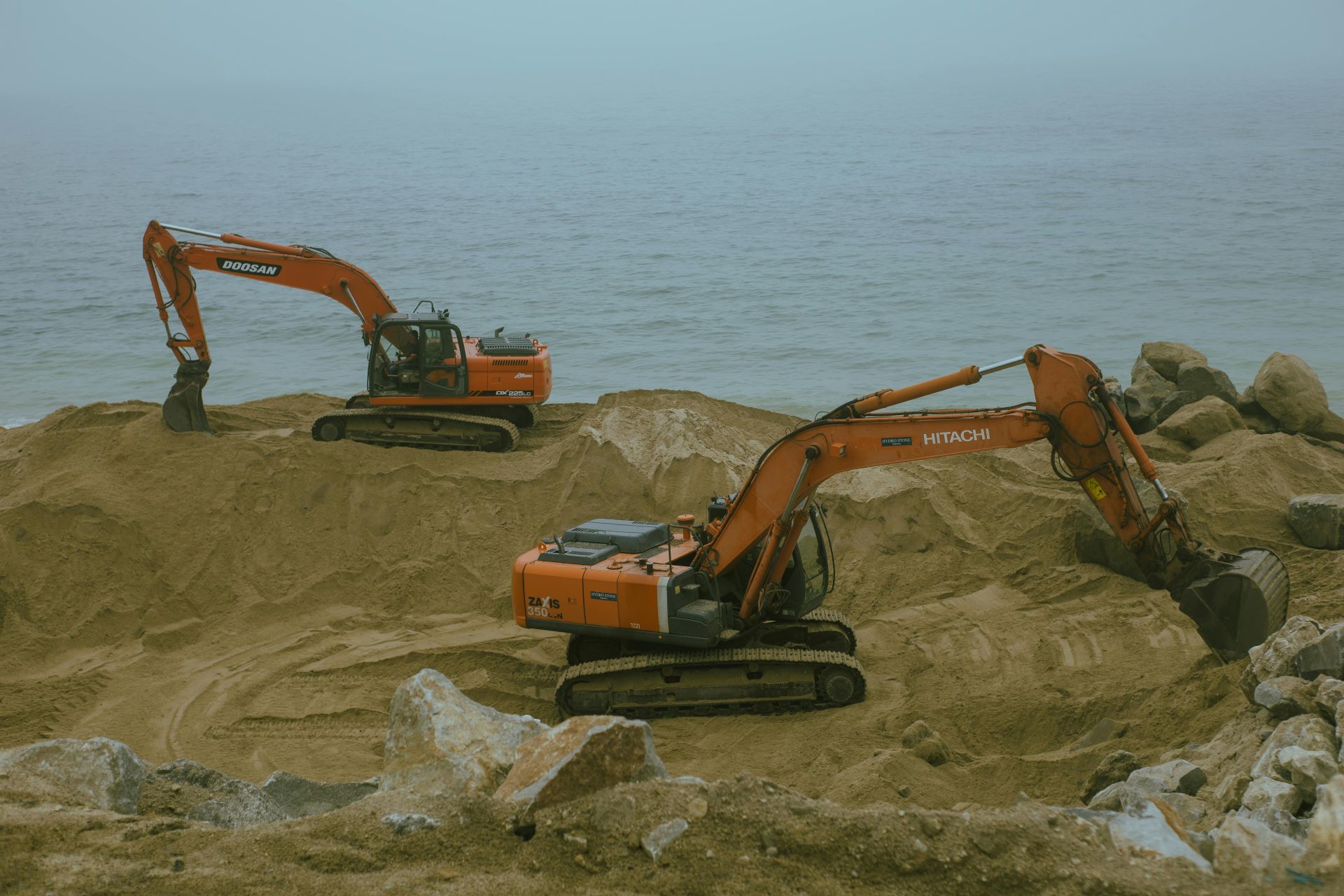
The Crucial Role of Soil Compaction in SA Construction
Soil compaction is one of those invisible heroes in construction, quietly underpinning every stable building and roadway. In South Africa, where soil types range from sandy coastal substrates to expansive clay soils inland, the process of compacting soil is critical for ensuring structures do not settle unevenly or suffer premature failure. Compaction is more than just flattening dirt; it involves increasing the density of the soil, reducing air pockets, and improving load-bearing capacity. By carefully preparing the ground, engineers and contractors can prevent structural problems before they manifest, saving enormous costs and safeguarding occupants.
The nature of South African soils presents unique challenges. Coastal areas often contend with loose, sandy soils that can shift under weight, while interior regions may face reactive clay soils that expand and contract with seasonal moisture changes. These variations mean that compaction techniques must be adapted to the local context. A one-size-fits-all approach simply does not work. Understanding the specific soil profile is the first step in preventing future structural issues, as inappropriate compaction can lead to settlement, cracking, or even complete structural failure.
The Science Behind Compaction
Compaction works by forcing soil particles closer together, reducing void spaces and increasing the soil’s density. This enhances its ability to support foundations and withstand lateral pressures from surrounding structures. In engineering terms, properly compacted soil exhibits higher shear strength, lower compressibility, and improved stability under load. Achieving optimal compaction requires the correct combination of moisture content, compactive effort, and soil type assessment.
In South African construction projects, engineers often perform Proctor tests or modified compaction tests to determine the ideal moisture content and density. These tests are essential for predicting how soil will behave under heavy structures or fluctuating environmental conditions. Failing to conduct these assessments can result in under-compacted soil that settles over time, creating cracks in concrete slabs, tilting columns, and misaligned infrastructure.
Methods of Soil Compaction
The methods of soil compaction vary depending on the soil type, site constraints, and intended use. Common techniques include static rolling, vibratory compaction, dynamic compaction, and tamping. Each method applies force in a different way to rearrange soil particles and remove excess air.
In urban South African developments, where space is limited, vibratory rollers are often preferred for granular soils, effectively settling sand and gravel layers beneath pavements and building foundations. In contrast, expansive clay soils found in areas like Gauteng or Free State require careful moisture management and layered compaction to prevent post-construction shrink-swell movement. For large-scale infrastructure projects, dynamic compaction or deep soil mixing may be used to treat underlying layers, ensuring long-term stability.
The Consequences of Poor Compaction
Neglecting soil compaction can have severe, costly consequences. Uneven settlement can lead to cracked floors, misaligned doors and windows, and foundation instability. Roads and pavements may develop potholes or depressions, creating ongoing maintenance headaches. In extreme cases, structural failure can compromise the safety of occupants and necessitate expensive remedial work.
South African construction history provides numerous lessons where insufficient compaction contributed to failures. Residential developments on poorly compacted clay soils often exhibit early cracking during wet seasons, while commercial buildings on sandy sites may suffer foundation shifting during periods of heavy rainfall. These outcomes are preventable with proper planning, testing, and execution of compaction practices.
Best Practices for Effective Compaction
Effective soil compaction requires careful planning, quality control, and adherence to engineering guidelines. Key practices include soil assessment, moisture regulation, layer-by-layer compaction, and ongoing testing. Contractors in South Africa are advised to follow SANS (South African National Standards) specifications for compaction and foundation preparation, ensuring that each project meets national safety and performance requirements.
Proper compaction should be monitored throughout the construction process. Field density tests and routine inspections help ensure that the soil is achieving the desired compaction levels. Integrating these checks into project workflows prevents costly post-construction remediation and enhances the durability of both buildings and infrastructure.
Innovations and Technology in Soil Compaction
Modern construction techniques in South Africa increasingly rely on technology to improve soil compaction outcomes. GPS-guided rollers, automated moisture sensors, and real-time density monitoring provide contractors with precise control over compaction quality. These innovations not only save time but also reduce the risk of human error, ensuring that foundations are built on a reliable base.
Additionally, sustainable practices, such as using locally sourced fill materials and optimizing compaction energy, align with green building principles. By combining traditional engineering knowledge with technological tools, South African contractors can achieve optimal compaction while reducing environmental impact.
Soil compaction may not be the most glamorous aspect of construction, but it is undoubtedly one of the most critical. In South Africa’s diverse soil landscape, ensuring proper compaction protects structures from uneven settlement, enhances load-bearing capacity, and prevents costly failures. From residential homes to commercial developments and infrastructure projects, investing in high-quality ground preparation is a proactive step that saves money, improves safety, and guarantees the longevity of every project.
A strong foundation begins beneath the surface, where careful compaction sets the stage for success. Skipping this step is a gamble that no serious South African builder can afford to take.
Article Classification
Senior Professional
Specialized technical insights from our structural engineering and commercial construction division.