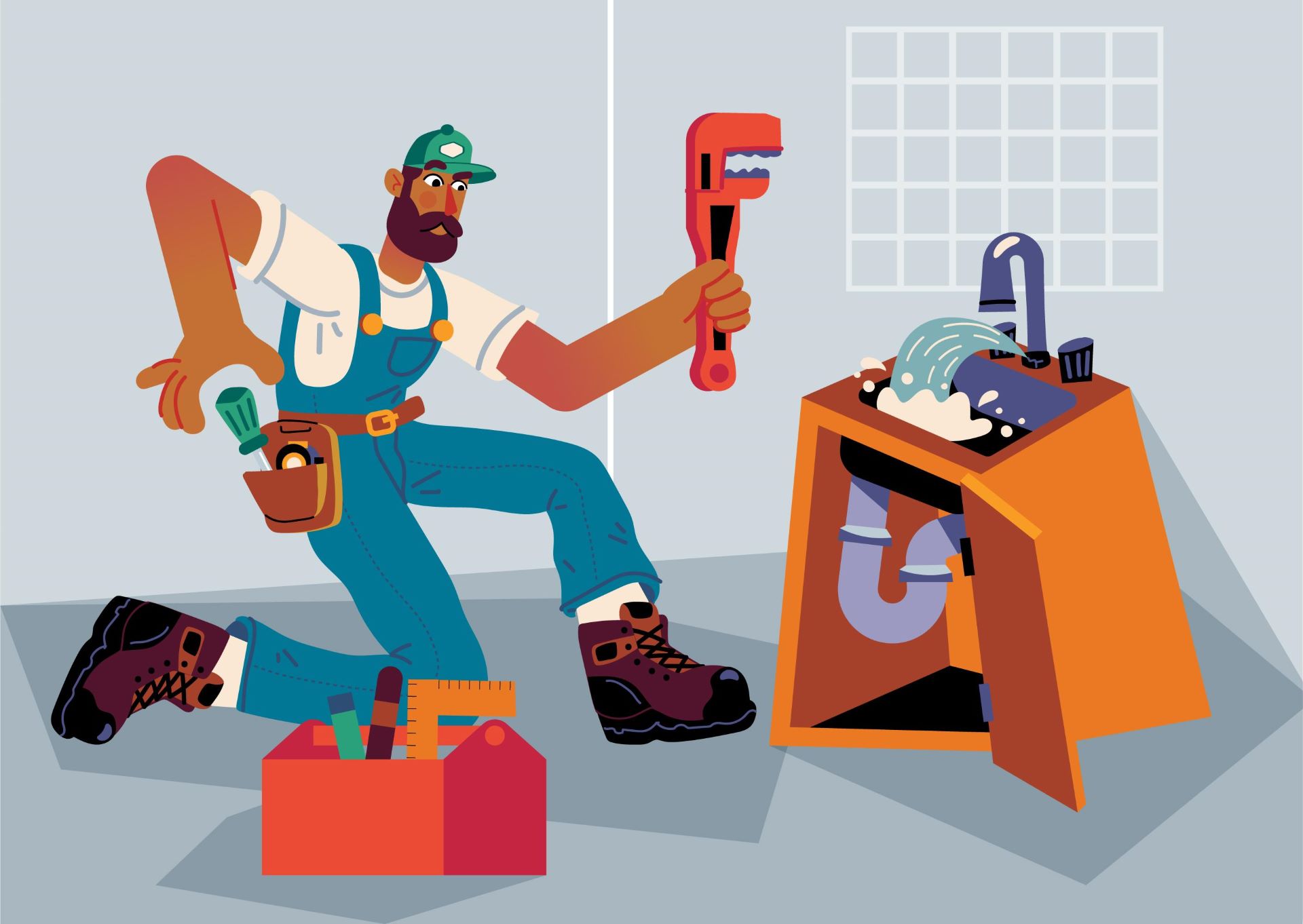
Office Plumbing Problems in High-Traffic Buildings
The Most Common Office Plumbing Problems
Office buildings are often imagined as controlled, predictable environments where systems quietly do their work in the background. Water flows when needed, toilets flush without complaint, and sinks simply… exist. But beneath this calm surface is a constantly stressed network of pipes, valves, drains, and fixtures that absorb thousands of daily interactions.
In South African commercial buildings, this pressure is amplified by a mix of ageing infrastructure, variable municipal water quality, inconsistent maintenance budgets, and high occupancy loads. Offices are not passive environments. They are high-traffic mechanical ecosystems where plumbing systems are expected to perform with industrial reliability while being treated like residential conveniences.
And that is where failure begins.
Plumbing in offices does not usually fail catastrophically all at once. It deteriorates in patterns. A slow-draining basin here. A toilet that runs longer than it should there. A faint smell from a drain that nobody wants to investigate on a Monday morning. These are not isolated inconveniences. They are signals.
Understanding these signals, and more importantly the real-world pressure points behind them, is essential for anyone responsible for building maintenance in South Africa.
Why Office Plumbing Fails in High Traffic Buildings
Office plumbing systems are designed around assumptions. Assumptions about usage frequency, maintenance intervals, and user behaviour. In reality, these assumptions rarely hold up.
A residential bathroom might serve a handful of people per day. An office restroom, especially in a dense Johannesburg or Cape Town commercial hub, can serve hundreds or even thousands. Each use adds micro-stress to components that were never meant to be pushed continuously.
High-traffic plumbing systems fail primarily because of cumulative strain rather than single incidents. Every flush, every hand wash, every coffee pot refill adds friction to a system that has no real downtime.
In South Africa, additional pressures compound the issue. Water pressure fluctuations in municipal supply lines can stress fittings. Sediment and mineral content contribute to internal scaling. Load shedding indirectly affects water pumps and booster systems, creating inconsistent pressure cycles that weaken joints over time.
The result is a system that rarely breaks in dramatic fashion but instead degrades quietly until maintenance is no longer optional.
The Most Common Failure Points in Office Plumbing
Office plumbing problems tend to cluster around predictable areas. These are not random failures but structural weak points that emerge under constant use.
The most frequently affected systems include toilet mechanisms, basin and tap assemblies, kitchen plumbing lines, and drainage networks. Each of these operates under different stress conditions, but all share one thing in common: relentless repetition.
A toilet flush mechanism, for example, may be activated hundreds of times a day in a large office. A basin tap may be turned on and off even more frequently. Kitchen sinks handle grease, coffee grounds, and food waste that slowly build up resistance in drainage lines.
Over time, these repeated cycles create wear patterns that technicians in commercial building maintenance learn to recognise almost instinctively.
Toilets and Flush Systems under Pressure
Toilets are the most heavily used plumbing fixtures in any office building, and also the most misunderstood in terms of maintenance needs. They are often treated as durable, low-maintenance units, but in reality, their internal mechanisms are precision systems operating under constant strain.
Flush valves, seals, and inlet mechanisms degrade with frequency. In high-traffic offices, rubber seals begin to lose elasticity far sooner than in residential settings. This leads to continuous running water, incomplete flush cycles, or inconsistent refill rates.
One of the most common issues in South African offices is the phantom flush cycle, where a toilet slowly leaks water from the cistern into the bowl. This may seem minor, but across multiple units it can significantly increase water consumption and strain municipal supply costs.
Another frequent failure point is blockages caused by inappropriate usage. While office environments are not supposed to experience heavy solids loads, reality often differs. Paper overuse, foreign objects, and inconsistent flushing habits contribute to recurring blockages that stress downstream drainage.
In older buildings, especially those constructed before modern water-saving standards, toilet systems may not be designed for current usage density. This mismatch between design expectation and real-world usage is one of the biggest contributors to persistent plumbing issues.
Basins, Taps, and Constant Usage Wear
Basins in office environments endure a different type of stress. Unlike toilets, which experience cyclical high-load usage, basins are subject to constant intermittent activation throughout the day.
Taps are turned on and off rapidly, often without full closure. Handles are forced beyond intended mechanical limits. Aerators become clogged with mineral deposits, particularly in areas where water hardness is higher, which is common in parts of South Africa.
The most common basin-related issue is slow flow reduction caused by internal scaling. Over time, calcium and mineral deposits narrow internal passages, reducing water pressure and forcing users to apply more force to achieve the same flow rate. This accelerates mechanical wear in taps, creating a feedback loop of deterioration.
Leaks around base fittings are also frequent. These often go unnoticed because they develop slowly, appearing first as dampness before evolving into visible pooling. In office environments, where cleaning staff may not report minor plumbing irregularities immediately, these leaks can persist for long periods before detection.
The result is both water waste and structural risk, especially when moisture begins to affect cabinetry or wall-mounted fixtures.
Kitchen and Breakroom Plumbing Stress
Office kitchens and breakrooms are deceptively high-risk plumbing zones. Unlike bathrooms, which have relatively controlled usage patterns, kitchens introduce variable waste types into the plumbing system.
Coffee grounds, tea leaves, food scraps, and grease all contribute to gradual pipe obstruction. Over time, these materials adhere to pipe walls, narrowing internal diameter and increasing the likelihood of blockages.
Grease is particularly problematic. Even small quantities washed down sinks solidify as they cool, forming sticky layers that trap additional debris. In South African office environments where informal meal preparation is common, this issue is widespread.
Dishwashing areas also experience pressure fluctuations due to inconsistent usage. Periods of heavy use during lunch breaks are followed by long idle periods, which can cause residue buildup and stagnation in traps.
Drain smells in office kitchens are often the first visible sign of deeper drainage issues. These odours typically originate from partially blocked traps or decomposing organic matter within the system.
Hidden Infrastructure: Pipes, Valves, and Pressure Systems
While visible fixtures receive most attention, the real complexity of office plumbing lies behind the walls and beneath the floors. Pipes, valves, and pressure regulators form the silent backbone of the system, and when they fail, the consequences are far more disruptive.
In South African commercial buildings, copper and PVC systems are common, often installed in layers across different renovation periods. This creates a hybrid infrastructure where old and new materials coexist, sometimes with incompatible fittings or ageing connectors.
Pressure regulation is a key concern. Inconsistent municipal supply pressure can lead to water hammer effects, where sudden pressure surges create shockwaves through pipes. Over time, this weakens joints and accelerates fatigue in metal components.
Valves are another hidden weak point. Isolation valves that are rarely used can seize over time, making emergency shutdowns difficult when leaks occur. This becomes a serious operational risk in large office buildings where rapid response is essential.
Drainage Problems in Commercial Buildings
Drainage systems in offices are designed to handle steady, predictable flow. In reality, they often experience uneven surges followed by inactivity, which is not ideal for self-cleaning pipe function.
One of the most common drainage issues is partial blockage, where water still flows but at reduced efficiency. This creates slow drainage in basins, showers in office gyms, and kitchen sinks.
Another issue is backflow, particularly in older buildings where venting systems are insufficient or degraded. When pressure imbalances occur, water and odours can move in unintended directions, creating hygiene concerns.
In multi-storey office buildings, vertical drainage stacks are particularly vulnerable. Any blockage in a shared stack can affect multiple floors simultaneously, turning a minor issue into a building-wide disruption.
Water Quality and South African Infrastructure Impact
Water quality plays a significant role in plumbing system longevity. In many South African cities, municipal water contains varying levels of minerals that contribute to scaling inside pipes and fixtures.
Hard water deposits accumulate gradually, reducing efficiency across the entire system. This is especially noticeable in taps, showerheads, and heating elements such as geysers connected to office kitchens or bathrooms.
Sediment in water supply can also affect valves and seals, reducing their lifespan. Over time, this leads to increased maintenance frequency and higher replacement costs.
These issues are not necessarily failures of design but rather environmental realities that must be accounted for in maintenance planning.
Maintenance Blind Spots in Office Buildings
One of the biggest challenges in office plumbing maintenance is not technical failure, but visibility. Many plumbing issues develop in areas that are not routinely inspected.
Cleaning staff may notice surface-level issues but lack the training to identify underlying plumbing deterioration. Maintenance teams, on the other hand, may operate on scheduled inspections that miss emerging problems between cycles.
Small leaks behind panels, slow drainage in seldom-used sinks, and intermittent pressure drops often go unreported until they escalate.
A simple pattern often emerges in neglected systems:
- Minor inefficiency appears
- It is ignored due to low urgency
- It worsens gradually
- It becomes a disruptive failure
This progression is particularly common in high-traffic office environments where operational continuity is prioritised over preventative checks.
Preventative Maintenance Strategy
Effective plumbing maintenance in office environments is not about reacting to failures but anticipating them through structured observation and routine intervention.
Regular inspection cycles should focus on high-use zones first. Toilets, kitchen sinks, and main drainage points should be checked more frequently than secondary systems.
Water pressure monitoring is also critical. Sudden changes often indicate underlying issues before visible symptoms appear.
Drain flushing, valve testing, and seal replacement schedules can significantly extend system lifespan when applied consistently.
Preventative maintenance in South African office buildings is especially important due to infrastructure variability. Buildings often combine legacy systems with modern upgrades, creating unpredictable interaction points that require closer oversight.
When Problems Become Emergencies
Plumbing issues rarely become emergencies without warning signs. However, those signs are often overlooked or misinterpreted.
A slow leak may be tolerated until it damages cabinetry. A recurring blockage may be temporarily cleared until it affects multiple floors. A pressure drop may be dismissed until it signals a broader system failure.
In office environments, emergencies are not just technical disruptions. They are operational interruptions. A blocked bathroom or unusable kitchen can affect staff productivity, tenant satisfaction, and even building reputation.
Understanding escalation patterns is essential. The shift from minor issue to emergency is usually not sudden, but gradual and predictable.
Designing for Durability in South African Offices
The most effective way to reduce plumbing problems is not only maintenance, but design awareness. Systems that anticipate high traffic perform significantly better over time.
In South African office buildings, this means selecting fixtures rated for commercial use, designing drainage systems with redundancy, and ensuring pressure regulation systems are properly calibrated.
Material selection also matters. Components that resist scaling and corrosion will always outperform cheaper alternatives in the long term.
Durability is not just a technical specification. It is an operational strategy that reduces downtime, lowers maintenance costs, and improves building performance across its lifecycle.
Office plumbing systems are often invisible until they fail, but their behaviour tells a consistent story. High-traffic environments accelerate wear, expose weak points, and magnify small inefficiencies into larger disruptions.
In South African commercial buildings, this reality is intensified by infrastructure diversity, water quality variations, and usage density.
Understanding where and why failures occur is the first step toward preventing them. The second is building maintenance systems that treat plumbing not as a background utility, but as a living, high-stress network that requires attention, structure, and foresight.
Because in the end, office plumbing does not fail suddenly. It speaks quietly first. The challenge is learning how to listen before it has to shout.
Article Classification
Senior Professional
Specialized technical insights from our structural engineering and commercial construction division.