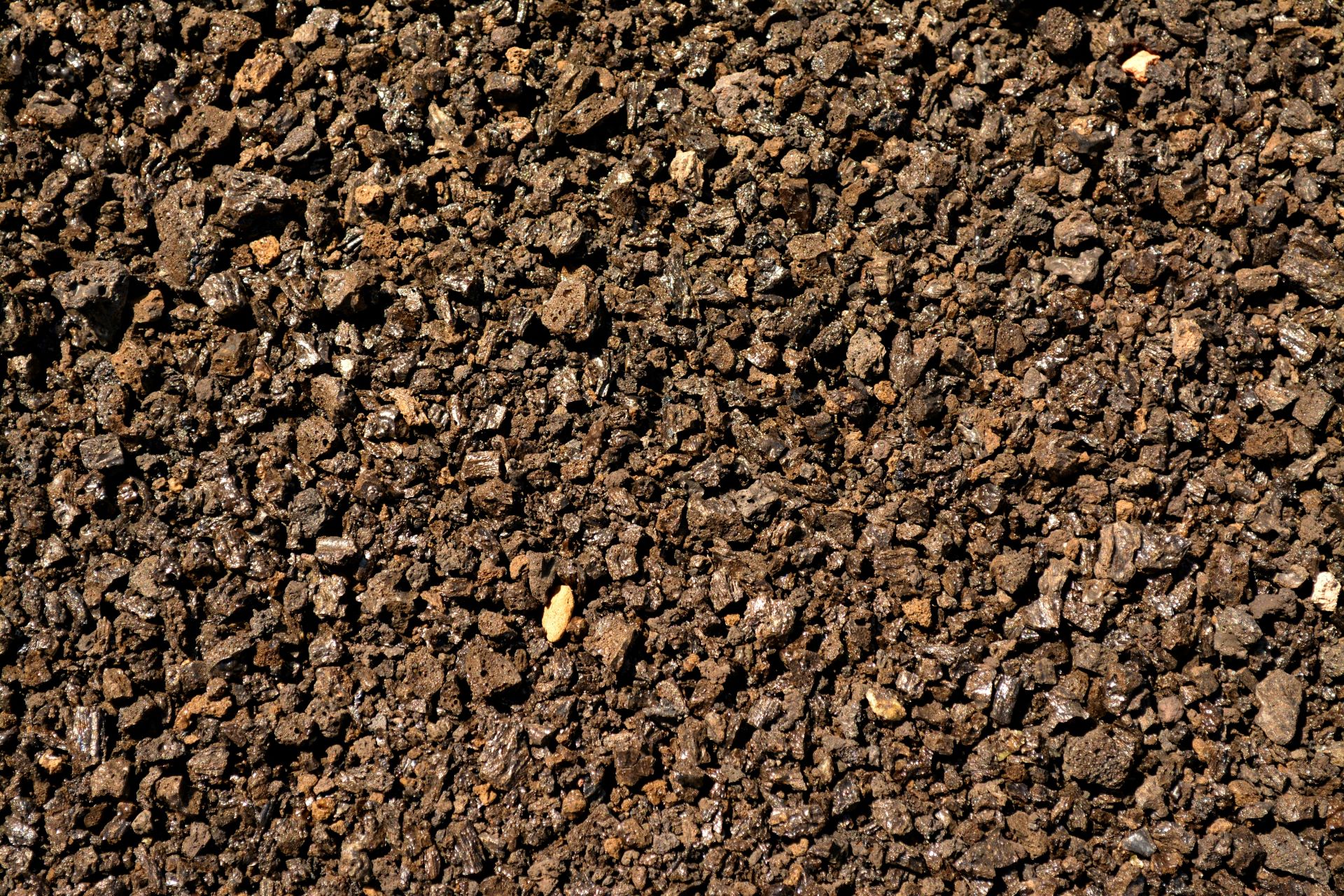
Local Materials in Modern South African Construction: Stone & Clay
Modern construction often speaks the language of steel frames, reinforced concrete, and industrial precision. Yet beneath the shine of contemporary architecture lies a quieter story rooted in soil, rock, and human settlement. In South Africa, where climate diversity, economic inequality, and rich cultural landscapes intersect, construction is not merely technical production but also social expression.
The idea of using local materials is sometimes mistaken for nostalgia, as if stone and clay belong only to rural homesteads or heritage sites. In reality, local sourcing is becoming one of the most sophisticated sustainability strategies in modern building science. Communities benefit when materials are extracted, processed, and installed within their economic and ecological ecosystem.
Construction professionals are rediscovering that modernity does not require the rejection of tradition. Instead, it invites the translation of traditional material wisdom into contemporary structural language. Urban developers in places such as Cape Town are already experimenting with hybrid construction systems that combine engineered reinforcement with locally sourced masonry.
The importance of local materials extends beyond cost. It touches identity, resilience, and environmental balance. When buildings grow from the land around them, architecture begins to feel less like an imposition and more like an extension of community memory.
The Cultural Logic of Local Materials in South African Construction
Construction materials are never purely technical. They carry cultural gravity, shaping how people relate to space, history, and belonging. Across South Africa, stone and clay have been used for centuries in settlement structures, defensive walls, ceremonial spaces, and domestic dwellings.
Traditional construction methods were often born from necessity. Communities used what the landscape offered because transportation networks were limited and industrial supply chains did not exist. What began as practical survival eventually evolved into sophisticated environmental adaptation.
The cultural value of local materials also appears in contemporary architectural storytelling. Developers and designers increasingly recognize that buildings must speak visually to their surroundings. A glass tower placed in a historic sandstone landscape can feel emotionally disconnected, even when technically efficient.
Local stone walls, earth plaster finishes, and clay brick facades allow architecture to participate in regional visual continuity. This is particularly important in tourism and heritage zones, where architectural harmony contributes to economic vitality.
In modern construction planning, cultural logic is becoming part of sustainability certification thinking. Organizations such as the South African Bureau of Standards play a role in ensuring that locally sourced materials meet structural and safety benchmarks.
The future of construction is unlikely to be purely globalised in material sourcing. Instead, it will probably become “glocal”, combining global engineering knowledge with local ecological intelligence.
Stone Construction and the Geography of Permanence
Stone has always symbolised durability because it resists time in a way few materials can. In South African architecture, stone construction reflects both geology and history.
South African landscapes are rich in sedimentary and metamorphic rock formations that provide naturally strong building aggregates. Local quarrying reduces transportation emissions and creates employment opportunities near extraction sites.
Stone construction also offers excellent thermal mass properties. Buildings made from thick stone walls absorb daytime heat and release it slowly during cooler nights. This is particularly valuable in regions where temperature swings are significant.
In coastal environments, stone provides resistance against wind-driven salt corrosion. Structures along the Atlantic and Indian Ocean corridors benefit from masonry materials that do not degrade as rapidly as some metal components when exposed to saline moisture.
Modern stone construction does not necessarily mean traditional dry stacking or purely manual masonry. Contemporary engineers often combine stone veneers or modular stone blocks with reinforced concrete cores.
Precision-cut stone panels can be installed using mechanical anchoring systems.
Mortar formulations are now scientifically calibrated to improve bonding strength.
Hybrid stone façades reduce material weight while preserving aesthetic authenticity.
Quarry management has also improved significantly. Responsible extraction practices are increasingly required to minimise ecological disturbance. Rehabilitation of quarry sites after extraction is becoming standard industry practice.
Stone is therefore no longer associated only with ancient construction. Instead, it is evolving into a premium sustainable material for commercial, residential, and public infrastructure projects.
Clay, Earth, and the Memory of Settlement
If stone represents permanence, clay represents intimacy. Clay-based construction materials embody the relationship between human habitation and agricultural land.
South Africa has a long history of earth-based architecture, particularly in rural and semi-urban areas. Clay bricks remain one of the most widely used building components due to their affordability and workability.
Earth materials provide exceptional thermal regulation. Clay walls naturally moderate indoor humidity and temperature fluctuations, reducing dependence on mechanical climate control systems.
In regions experiencing energy insecurity, this characteristic becomes economically significant. Buildings constructed with high thermal inertia can maintain comfortable internal environments with minimal electricity consumption.
Manufactured clay bricks have also evolved dramatically. Modern brick kilns are more energy efficient, and quality control processes ensure dimensional consistency.
Compressed earth block technology is gaining attention among sustainable housing developers. These blocks are produced by compressing soil mixtures under high pressure, sometimes with small proportions of stabilising agents such as cement or lime.
The beauty of clay lies in its adaptability:
• Clay can be moulded into structural blocks • It can be used as plaster finishing • It can be engineered for load-bearing walls • It integrates naturally with timber framing
Urban housing projects in informal settlement upgrading programmes are exploring stabilised earth construction because of its cost-performance balance.
However, moisture protection remains essential. Proper roofing overhangs, foundation damp proofing, and surface treatment are critical to preventing erosion during heavy seasonal rainfall.
Modern Engineering Meets Traditional Material Science
One of the greatest misconceptions about local materials is that they belong outside modern engineering. The reality is quite the opposite.
Material science has begun to reveal why traditional builders achieved remarkable longevity with seemingly simple resources. The microstructure of clay minerals, for instance, contributes to natural bonding and thermal regulation.
Modern construction in South Africa increasingly follows performance-based design rather than material-origin prejudice. What matters is not whether a material is traditional or modern, but whether it meets structural, durability, and safety targets.
Engineers today use computational modelling to simulate how locally sourced stone and clay behave under seismic loads, wind pressure, and thermal expansion cycles.
Manufacturing standards ensure compatibility between local materials and imported reinforcement systems. For example, steel rebar embedded in masonry must be treated to reduce corrosion risk in humid coastal regions.
The integration of traditional materials into contemporary construction also supports skills preservation. Masonry craftsmanship, plaster application, and stone cutting are vocational domains that provide employment across generational lines.
Training programmes are slowly returning these artisanal skills to construction labour markets.
Sustainability Advantages of Local Sourcing
Sustainability discussions often focus on operational energy efficiency, but material transportation energy is equally important.
Local sourcing reduces logistical carbon emissions. When construction materials are mined, processed, and installed within relatively short geographic distances, fuel consumption associated with freight transport decreases.
Local materials also stimulate circular economic patterns. Communities near extraction or production sites benefit from job creation, infrastructure investment, and skill development.
In rural South African regions, small-scale brick manufacturing enterprises are becoming important local economic anchors.
Environmental sustainability is enhanced because locally sourced materials usually require less industrial processing compared to synthetic construction alternatives.
Furthermore, natural materials often have higher end-of-life recyclability. Demolished clay bricks can be reused as aggregate or secondary construction filler.
Modern developers are beginning to treat buildings as material reservoirs rather than permanent waste generators.
Economic Impact on Communities
Construction supply chains can either extract value from communities or distribute value within them.
Local material sourcing keeps financial circulation inside regional economies. When stone is quarried locally, transport companies, labour groups, and small contractors benefit.
In many South African provinces, small construction firms depend on regional material availability.
Employment opportunities extend beyond the building site itself. Activities include:
Quarry operation
Material sorting and processing
Brick manufacturing
Transport logistics
Quality inspection services
Local sourcing also reduces vulnerability to international price volatility. Imported materials can become expensive when exchange rates fluctuate or global shipping conditions change.
By contrast, indigenous materials are tied more closely to domestic economic cycles.
Local Materials and Climate Responsiveness in South Africa
Climate diversity across South Africa demands adaptive construction strategies.
Coastal regions require moisture-resistant building envelopes, while inland semi-arid areas benefit from heat-resistant thermal mass construction.
Local stone and clay are particularly well suited to passive climate control.
Earth-based walls slow heat penetration during summer afternoons. Stone foundations resist soil movement caused by seasonal moisture variation.
Wind resistance is also important in exposed coastal zones where storm surges and high-speed air currents occur.
Architectural orientation further enhances climate performance. Buildings designed with local materials can be aligned to optimise natural ventilation pathways.
Window placement, wall thickness, and roof geometry become part of an integrated environmental system rather than isolated design choices.
Regulatory Standards and Quality Assurance
Quality control is essential when using natural materials in modern infrastructure.
The construction industry in South Africa operates under strict safety frameworks. Materials must comply with structural performance standards before commercial deployment.
Testing protocols evaluate compressive strength, moisture absorption, and durability under environmental stress.
Certification bodies ensure that locally sourced materials are not inferior substitutes but fully qualified construction components.
Engineers are encouraged to document sourcing origin, processing method, and structural performance metrics.
Transparent material traceability is becoming a competitive advantage in sustainable development projects.
Design Innovation with Heritage Materials
Modern architects are experimenting with expressive geometry using traditional materials.
Stone can be cut into modular panels that form contemporary façade patterns. Clay bricks can be arranged in ventilation-permeable lattice walls that combine aesthetics and airflow functionality.
Light and shadow play an increasingly important role in architectural identity. Textured stone surfaces create natural visual variation throughout the day.
Tourism infrastructure projects particularly benefit from heritage material design because visitors associate such architecture with authenticity.
Local materials help create place-specific experiences rather than generic global building forms.
Challenges of Scaling Traditional Materials
Despite the advantages, several practical challenges remain.
Production scalability is a major concern. Small local brick or stone suppliers may struggle to meet large commercial project demand.
Consistency of material quality can also vary depending on extraction site geology.
Water usage in clay processing must be carefully managed in regions experiencing periodic drought.
Modernisation of traditional material industries requires investment in:
• Automated quality grading systems • Sustainable quarry management technology • Worker training programmes • Logistics network optimisation
Balancing heritage production methods with industrial efficiency is one of the central engineering questions facing South African construction.
The Future of Local Materials in Urban Development
Urbanisation in South Africa will continue expanding, creating demand for affordable and sustainable housing.
Local materials are likely to play a central role in future smart city design. Hybrid construction systems combining concrete structural frames with natural material cladding may become standard.
Researchers are also exploring bio-enhanced earth construction, where soil mixtures are stabilised using environmentally friendly additives.
3D printing technology may eventually incorporate locally sourced mineral powders into printable construction composites.
The construction industry is gradually rediscovering that technological progress does not require abandoning geological heritage.
Instead, the future may belong to buildings that grow from their environment rather than dominate it.
Using local materials in modern construction is not a step backward but a step deeper into sustainable engineering intelligence. Stone and clay represent more than structural components; they are carriers of community labour, ecological harmony, and cultural memory.
In South Africa, where social development and environmental preservation must walk together, local material sourcing offers a bridge between past resilience and future innovation. Construction professionals, urban planners, and developers are discovering that the strongest buildings are not only those that stand longest, but those that belong most naturally to the land beneath them.
The modern skyline does not have to forget the soil that made it possible. Instead, it can rise from it, quietly and confidently, like stone remembering the mountain and clay remembering the river.
Article Classification
Senior Professional
Specialized technical insights from our structural engineering and commercial construction division.