Building Resilience: Maintenance Strategies for Storms & Fires
The Importance of Preparedness in Construction
In the construction and building maintenance sector, the unexpected can strike at any moment. Storms can batter facades, fires can ignite from overlooked faults, and power outages can bring entire operations to a halt. While these risks are unavoidable, their impact can be significantly reduced through proactive planning and rigorous maintenance routines. Buildings that are well-maintained and regularly assessed for vulnerabilities are far more resilient, protecting both property and the people who rely on them.
Emergency preparedness is not merely a reactive measure; it is a mindset that prioritizes resilience through foresight. For construction managers and maintenance teams, this means embedding safety checks, risk assessments, and preventative maintenance plans into everyday operations. By doing so, a building’s lifespan is extended, insurance claims are minimized, and the overall safety of occupants is greatly improved.
Storm Preparedness: Securing Structures Against Nature
Storms present one of the most visible and immediate threats to buildings. From heavy rainfall to destructive winds, the forces of nature can expose structural weaknesses that may have gone unnoticed. The first step in storm preparedness is conducting a detailed risk assessment, examining the building’s design, materials, and location-specific vulnerabilities. Roof integrity, window strength, and drainage systems are critical components to inspect regularly.
Preventative maintenance can include reinforcing roof structures, sealing gaps around windows and doors, and ensuring that gutters and drains are clear of debris. Electrical systems must be protected against water ingress, and emergency backup systems, such as generators, should be tested frequently to ensure functionality during outages. By systematically identifying weak points and addressing them proactively, maintenance teams can dramatically reduce storm-related damage.
Fire Risk Management: Protecting Life and Property
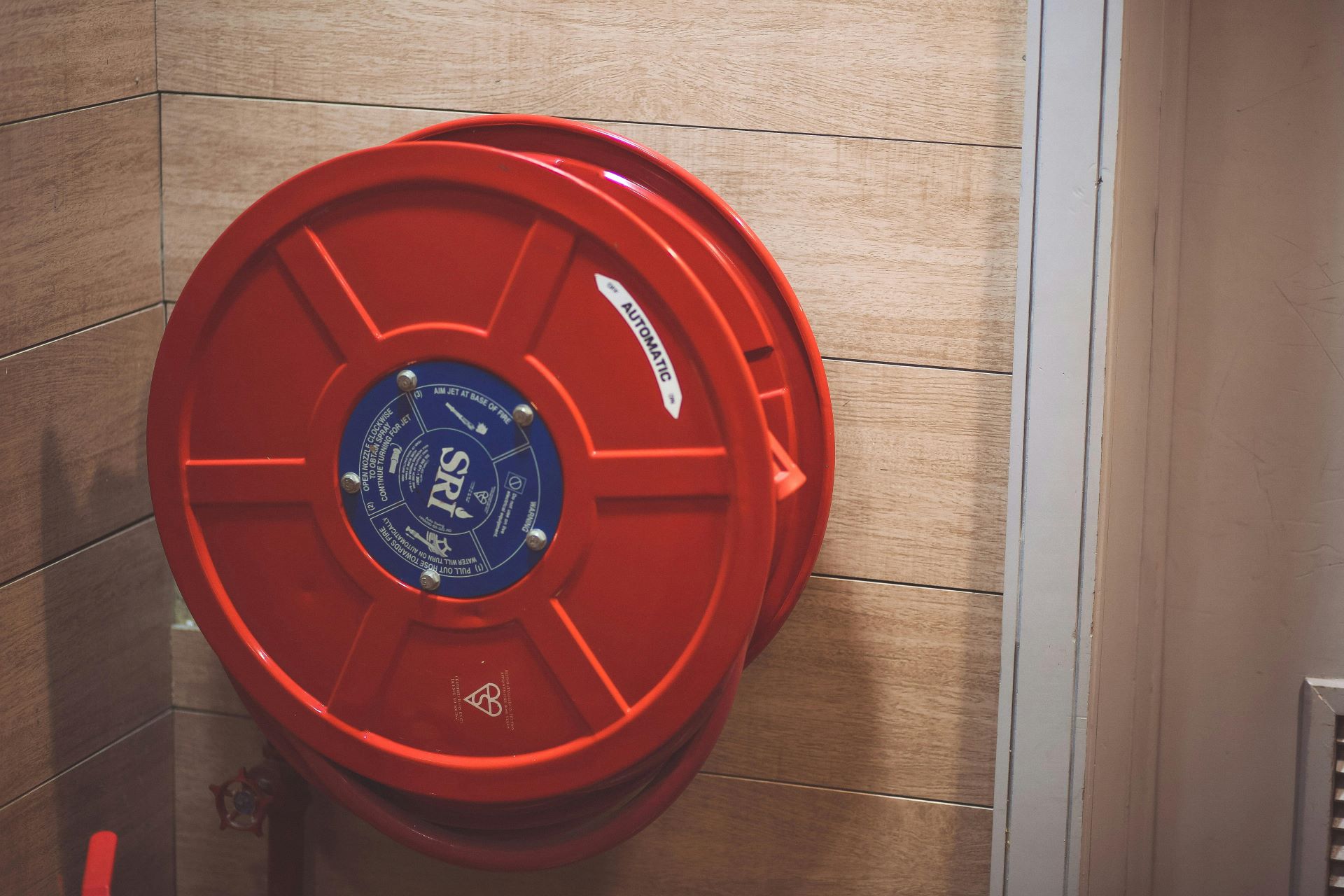
Fire remains one of the most devastating risks for any building, and proactive maintenance is central to effective fire management. Regular inspections of fire suppression systems, alarms, and emergency exits are essential. Maintenance teams should verify that sprinklers are functional, fire extinguishers are accessible and up-to-date, and evacuation routes remain unobstructed.
The materials used in construction also play a role in fire prevention. Ensuring that flammable materials are stored appropriately and that electrical systems are free from faults can prevent small issues from escalating. Risk assessments should consider both the likelihood and potential impact of fires, guiding maintenance priorities and resource allocation.
Preventative maintenance goes beyond physical checks. Staff and occupant training on fire safety procedures ensures that even in the event of an emergency, people respond efficiently, reducing casualties and property damage. Routine drills and audits keep fire preparedness at the forefront of operational culture.
Power Outages: Maintaining Continuity in Disruptions
Power cuts may seem less dramatic than storms or fires, but their consequences can be equally severe. From disrupting essential building systems to halting operations, outages can expose vulnerabilities in electrical infrastructure. Maintenance teams must ensure that backup generators, uninterruptible power supplies, and surge protection systems are regularly serviced.
Risk assessments should identify which systems are critical and require uninterrupted power. Elevators, security systems, and emergency lighting fall into this category. Preventative maintenance includes testing transfer switches, monitoring fuel levels for generators, and verifying that all emergency systems automatically engage during outages. Regular audits of electrical circuits, connections, and panels can prevent faults that may lead to unexpected blackouts.
Integrated Maintenance Strategies for Resilience
The most effective approach to emergency preparedness integrates storm, fire, and power management into a unified maintenance strategy. A centralised plan ensures that resources are allocated efficiently and that all potential risks are addressed systematically. For construction managers, this means developing comprehensive maintenance schedules, logging inspections, and ensuring follow-up on all identified vulnerabilities.
Technology can enhance these strategies. Digital monitoring systems allow real-time tracking of structural health, electrical loads, and environmental conditions. Predictive maintenance tools can forecast potential failures before they occur, enabling teams to intervene proactively. Combining hands-on inspections with smart technology creates a robust, layered approach to risk mitigation.
Cultivating a Culture of Safety and Accountability
Emergency preparedness is not solely the responsibility of maintenance teams. Building owners, tenants, and facility managers all have a role to play in sustaining resilience. Clear communication channels, accountability frameworks, and regular safety briefings foster a culture where preventative maintenance is valued and prioritized.
Documenting inspections, corrective actions, and training exercises ensures that lessons are learned and applied. Over time, this proactive culture reduces the likelihood of catastrophic failures and positions buildings to withstand storms, fires, and power interruptions with minimal disruption.
Maintenance as the Cornerstone of Resilient Buildings
The unpredictable nature of environmental and operational hazards demands a proactive mindset. Through detailed risk assessments, preventative maintenance plans, and a culture of safety, buildings can achieve resilience against storms, fires, and power disruptions.
In the construction and building maintenance industry, resilience is not optional—it is a measure of professionalism, responsibility, and foresight. By embedding these strategies into everyday practices, property owners and managers not only protect their assets but also ensure the safety and well-being of everyone who depends on them. Preventative maintenance transforms vulnerability into confidence, turning potential crises into manageable events.
Article Classification
Senior Professional
Specialized technical insights from our structural engineering and commercial construction division.